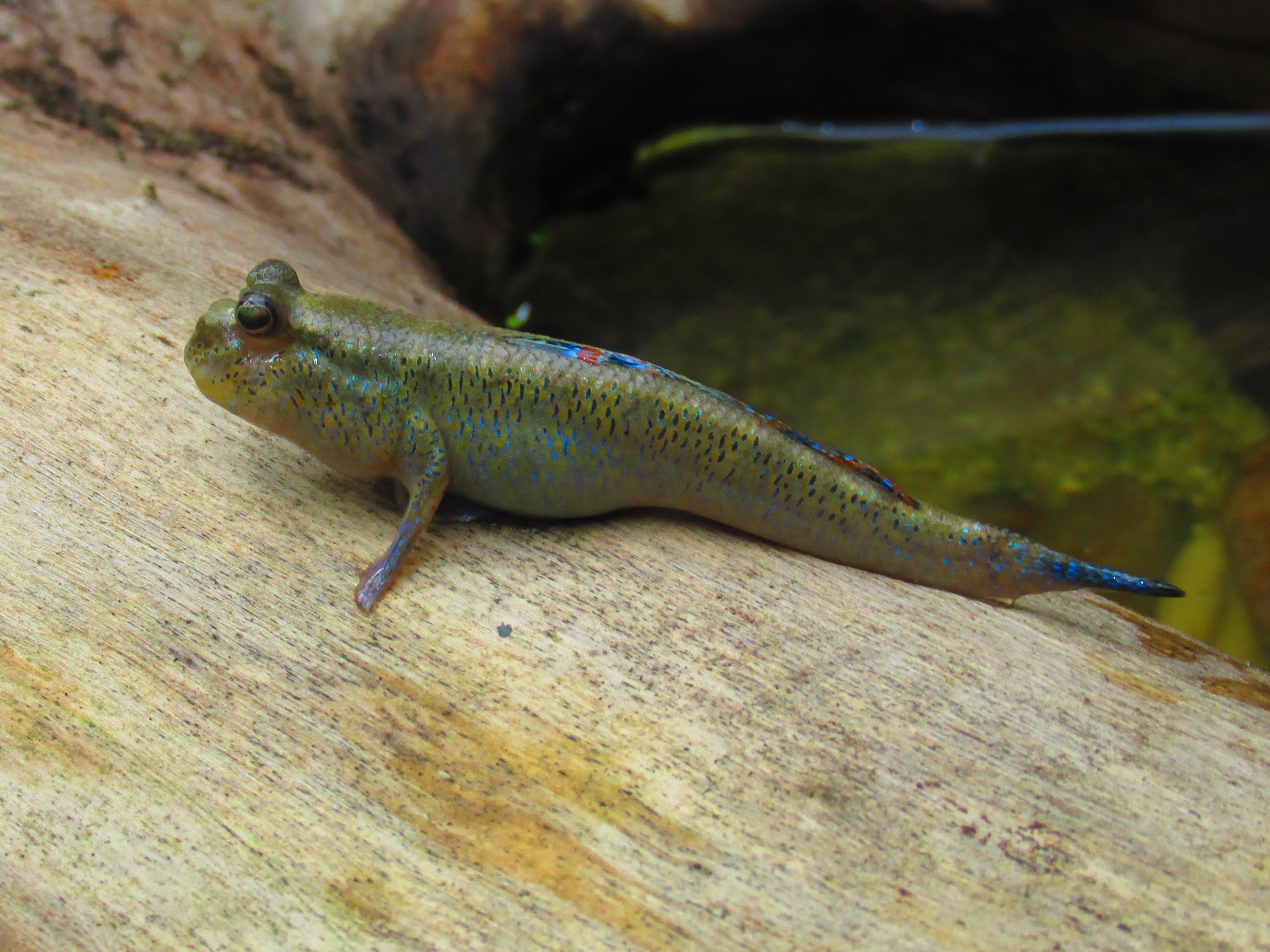
Asian mudskipper
Fish out of water These fish are unusual as some species spend most of their time out of the water. Mudskippers are usually found in Mangroves and mudflats on the coast. They are a...

Fish out of water These fish are unusual as some species spend most of their time out of the water. Mudskippers are usually found in Mangroves and mudflats on the coast. They are a...
The green iguana is wide ranging and can be found from Mexico through to Central and South America. They are seen as invasive animals in southern Florida and Hawaii. They live in h...
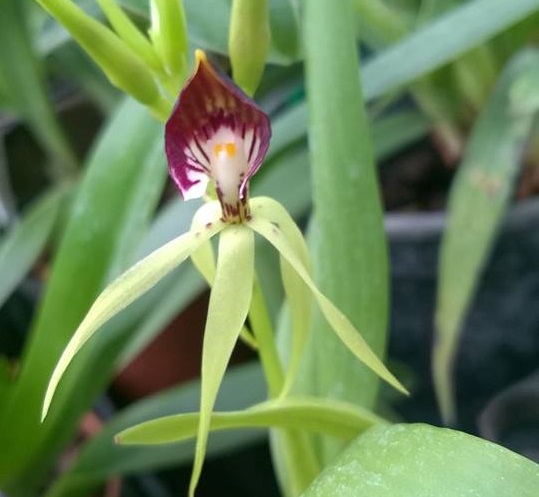
Thousands of species There are more than 25,000 documented orchid species throughout the world, with hundreds more being discovered each year. This means the number of orchid speci...
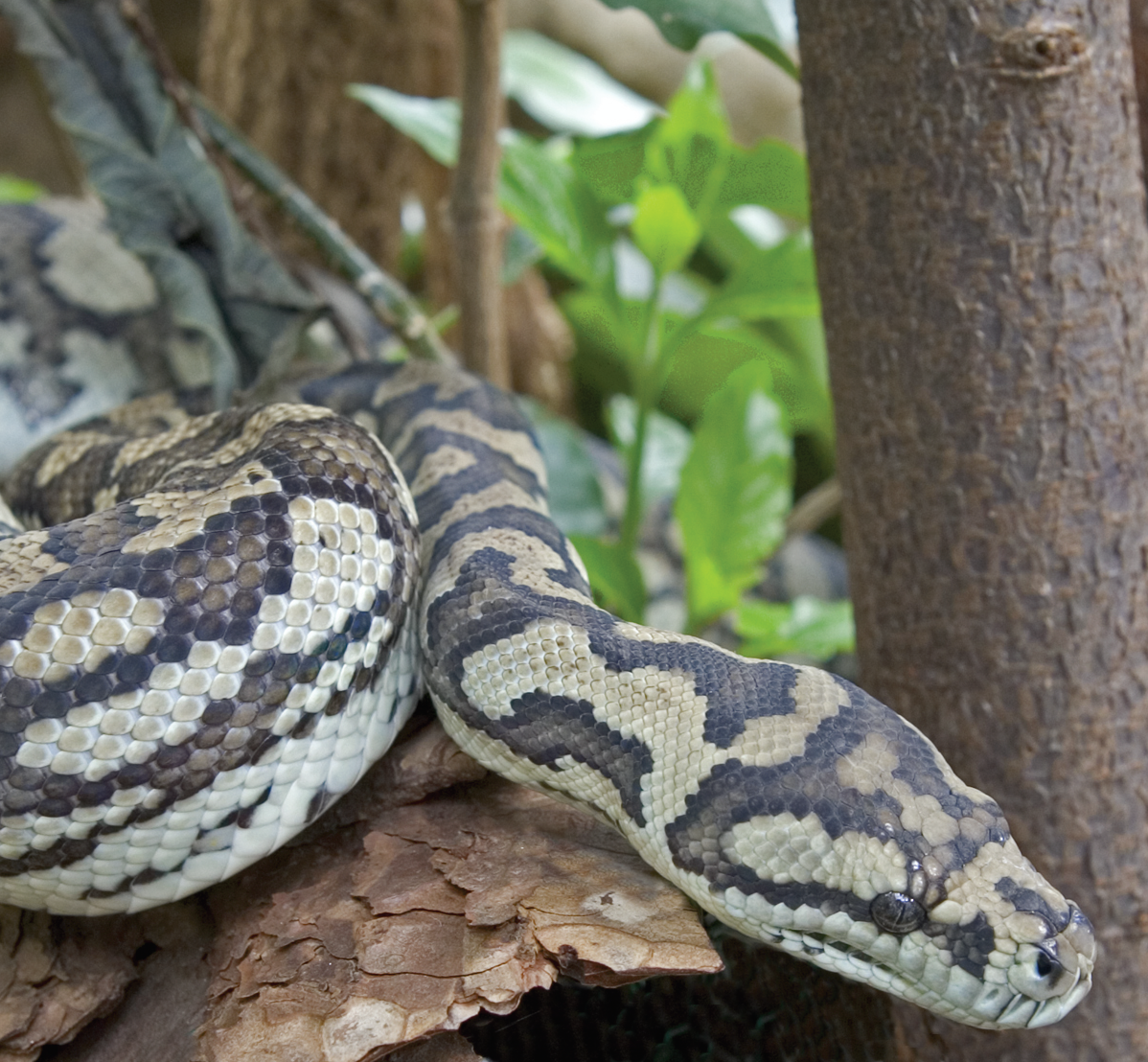
Carpet pythons are mainly found on mainland Australia. They live in a range of habitats, from rainforests to deserts. This species spends much of the day up in a tree but also come...
Rainforests are important for a whole host of reasons, including climate stability, cultural diversity and biological diversity. Learn more here.
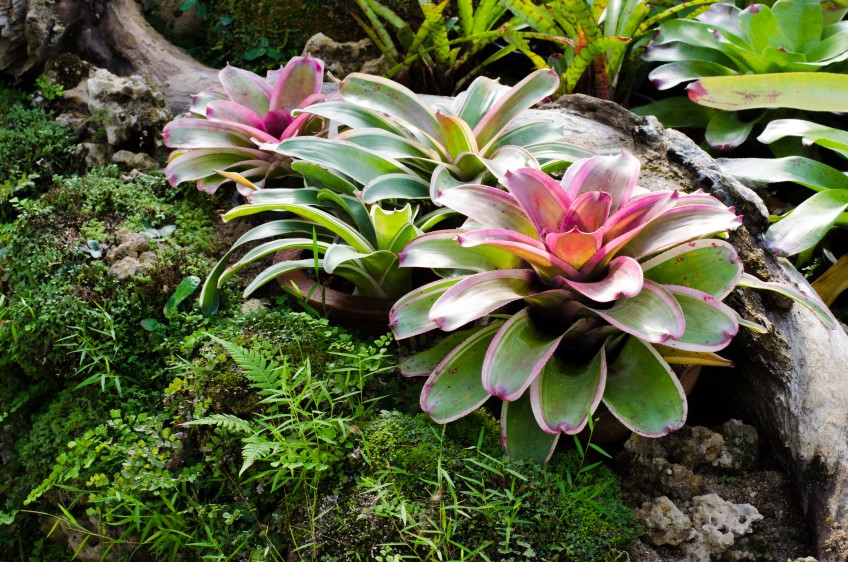
Thousands of species Bromeliads originate from South and Central America, the Caribbean and West Africa. They grow in deserts, mountains and forests. The most well known bromeliad ...
 Amazing Adaptations key stage 3 worksheets
This worksheet is designed for students on the Amazing Adaptations school tour to complete during their visit to the Living Rainforest.
Amazing Adaptations key stage 2 worksheetsThis worksheet is designed for key stage 2 students on the Amazing Adaptations school tour to complete during their visit to the Living Rainforest.
Amazing Adaptations photography album activity sheetThis worksheet is designed for students to complete after they have completed the Amazing Adaptations school tour.
Amazing Adaptations fact file templateThis template is for students on the Amazing Adaptations school tour to use during their visit to the Living Rainforest.